

Changes to the Building Safety Act and Fire Risk Assessments (FRA): what you need to know
12th December 2023
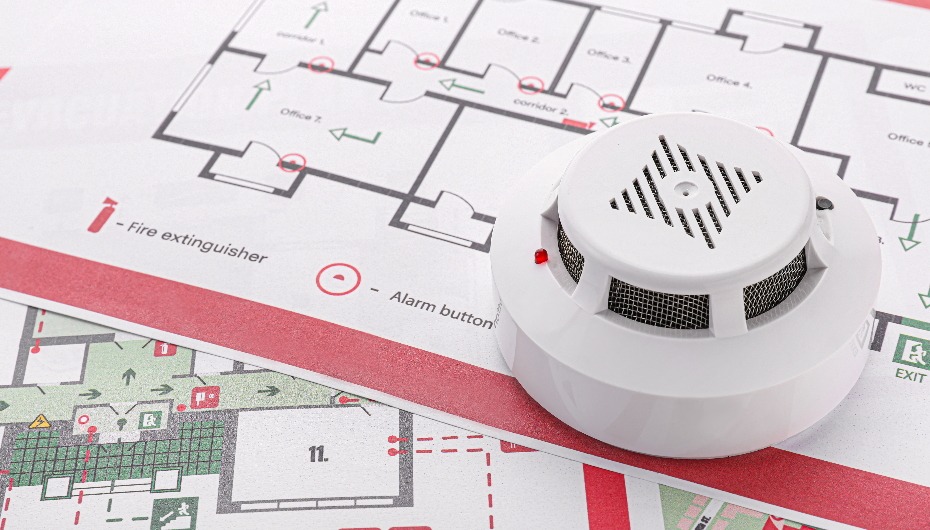
Changes to the Building Safety Act in October 2023 have made it a requirement for all Responsible Persons (RPs) to keep an up-to-date record of their completed fire risk assessments throughout a building’s lifespan.
If you are the Responsible Person for a building premises, you have a duty to make sure that a suitable and sufficient fire risk assessment is completed and that you are complying with current fire safety laws.
What is a fire risk assessment (FRA)?
A fire risk assessment is an in-depth evaluation that is conducted in a building or working environment in order to assess the risk of a fire.
The purpose of the assessment is to identify any potential fire hazards within a building and determine whether current fire prevention precautions require new control measures to ensure the safety of building occupants.
How do you complete a fire risk assessment?
To ensure every factor in the checklist is considered, The Fire Safety Order 2005 suggests a five-step approach to fire risk assessments.
- Identify the fire hazards
The first step is identifying any potential fire hazards on the premises. The responsible person must consider any possible sources of ignition, such as fuel and oxygen and flammable items, including electrical devices, and the associated risks.
- Identify the people at risk
The responsible person will next need to identify those on the premises who are especially at risk. This could be employees, building occupants or people who infrequently visit the building. The responsible person will also need to consider if there are any young children, people with disabilities or lone workers present in the building and make sure there are adequate procedures in place to accommodate their needs.
- Evaluate, remove, or reduce the risks
The next step for the responsible person is to evaluate the risk of a potential fire in the building. They will need to consider the hazards that were identified in steps 1 and 2 and act to remove and reduce the risks found to protect the building and its occupants.
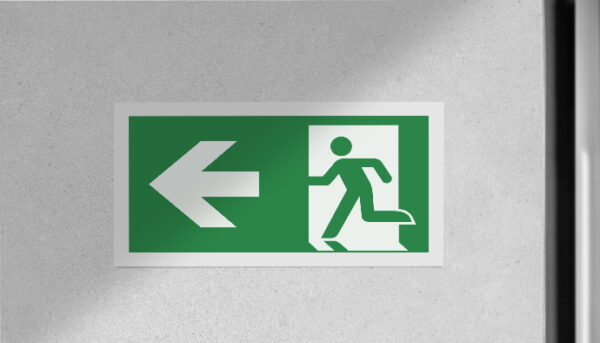
The main aspects to consider are the functionality of fire detection and warning systems, the availability of suitable firefighting equipment, the ease of access to escape routes, the building has installed efficient emergency lighting systems, and signage clearly communicates emergency exits to occupants.
- Record, plan and train
It’s essential that the individual in charge documents any noteworthy findings from the assessment upon evaluation they should create a clear strategy for fire safety, make sure that building occupants are aware of processes to follow in the event of a fire, and that a record of the risks and actions taken has been clearly documented.
- Review and update
The responsible person should ensure to conduct regular fire risk assessments in buildings in accordance with UK law and make sure to revise all existing findings when necessary.
How often must fire risk assessments be conducted?
Property managers are required by the Fire Safety Act to conduct regular fire safety risk assessments.
The responsible person should complete an updated assessment, if:
- There are changes to the structure or layout of the building
- There is a significant change in the building’s occupancy rate
- New equipment or machinery is installed
- The building begins to store new chemicals or dangerous substances
- The building has a drastic change in stock levels
Who can conduct fire risk assessments?
As previously mentioned, there are a variety of factors to take into account when conducting a fire risk assessment and the appointed person needs to be educated about potential fire risks and appropriate mitigation techniques.
It is currently possible for anyone to perform a fire risk assessment., however, it is recommended that a professional assessor is hired to ensure that your premises comply with current legislation. A professional will also be able to offer recommendations and propose a fire management plan for complete peace of mind.
Conclusion
At Nortec Fire, we deliver detailed fire risk assessment services to identify risks within your building and how people may be impacted, before suggesting how to minimise or eliminate the risk.
We can help you feel confident in the safety of the premises and equip your team with the skills to detect and prevent future risks.
For more information regarding our fire risk assessment service, give us a call at 0191 6911297 or email us at info@nortecfire.com.
Related updates...

7th May 2026
A Joined-Up Approach To Security
3rd March 2026
How Nortec Fire Champions Workplace Safety
26th November 2025
Fire Safety In Industrial Environments
Our Partners & Accreditations


